Bristol Stool Scale: Unlocking Your Digestive Efficiency
Your stool is a biometric. It's as informative as your resting heart rate, energy levels, or sleep quality. The Bristol Stool Scale, developed in 1997 at Bristol Royal Infirmary, is a clinical framework that categorizes stool consistency and what it reveals about your digestive function. Clinicians use it to diagnose conditions like IBS and IBD. But stool consistency also tells you something valuable about your own body: how it responds to food, stress, sleep, and lifestyle changes. By understanding your personal pattern, you can recognize what's normal for you, spot meaningful changes, and learn what actually affects your digestion.
Bristol Scale - The seven types of stool are:





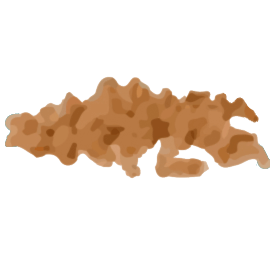

Decoding Your Digestive Efficiency: What Each Type Reveals
- Types 1 & 2 (Slow Transit): Hard, lumpy stools signal slower intestinal transit. Your system is taking more time to move things through. This often correlates with dehydration, lower fiber intake, or stress. Understanding your pattern matters: for some people, type 2 is normal; for others, it signals a change worth exploring. Track what shifts your consistency (hydration, diet, sleep, stress) to optimize your baseline.
- Types 3 & 4 (Efficient Transit): Well-formed stools that are easy to pass typically indicate efficient digestive transit and strong microbiome function. These are often considered optimal, but "optimal" is personal. What matters is consistency for you. Tracking when you're in these types helps you understand what behaviors support your digestive efficiency.
- Type 5 (Low Bulk): Soft blobs often suggest lower dietary fiber or incomplete stool formation. This can reveal opportunities: adding fiber sources, adjusting hydration, or identifying foods that shift your pattern. Use this data to experiment and find your personal digestive rhythm.
- Types 6 & 7 (Rapid Transit): Loose or watery stools indicate faster intestinal transit. Your system is moving things quickly. This can stem from dietary changes, stress, infections, food sensitivities, or medications. The key insight: track what correlates with these shifts so you can identify your personal triggers and optimize from there.
The Science of Individual Variation
Research reveals significant individual differences in digestive function. There's no one-size-fits-all "normal":
- Gender & Hormonal Patterns: Research shows biological females more commonly experience types 1-2, while males frequently report types 5-6. Beyond gender, hormonal cycles also influence stool consistency. Tracking your patterns over months reveals if and how your personal rhythms affect digestive efficiency.
- Sensation & Perception: Around 80% of people experiencing incomplete defecation sensations report type 7 stools. This varies individually. Some people with type 6 or 7 feel fine, while others with type 5 feel frustrated. Individual nervous system sensitivity varies widely, which is why your data is more valuable than population statistics.
- Medication & Interventions: Medications like loperamide or senna significantly shift stool consistency. If you're tracking while taking medications, you'll see exactly HOW they affect your baseline. This is critical data for healthcare conversations and personalized optimization.
From Data to Digestive Mastery
Consistent tracking of stool consistency reveals patterns invisible in individual observations. Over 2-3 weeks, you’ll notice weekly rhythms, seasonal shifts, how specific foods affect your transit time, and which stressors correlate with digestive changes. This personal data shows you what’s actually normal for your body.
For people with chronic digestive conditions like IBS or IBD, establishing and maintaining a detailed baseline is particularly valuable. You develop an accurate understanding of your individual pattern, your triggers, and how interventions affect you specifically. This makes it possible to recognize early warning signs of flare-ups and to communicate precisely with healthcare providers about what you’re experiencing.
The Bristol Stool Scale is a simple tool. The consistency of your stool correlates with transit time, water absorption, and the health of your microbiome. By tracking it over time alongside other life factors (diet, stress, sleep, exercise), you develop a clear picture of how your unique body functions. That knowledge has practical value: you understand what shifts your digestion, which foods or stress levels affect you, and what helps you feel your best.